Author: admin

financial year end

Thank You for an Incredible Year: Reflecting on Our Journey and Looking Ahead

Introduction As we approach the end of the year, it’s the perfect time to reflect on our journey, achievements, and the relationships we have built along the way....

high rises

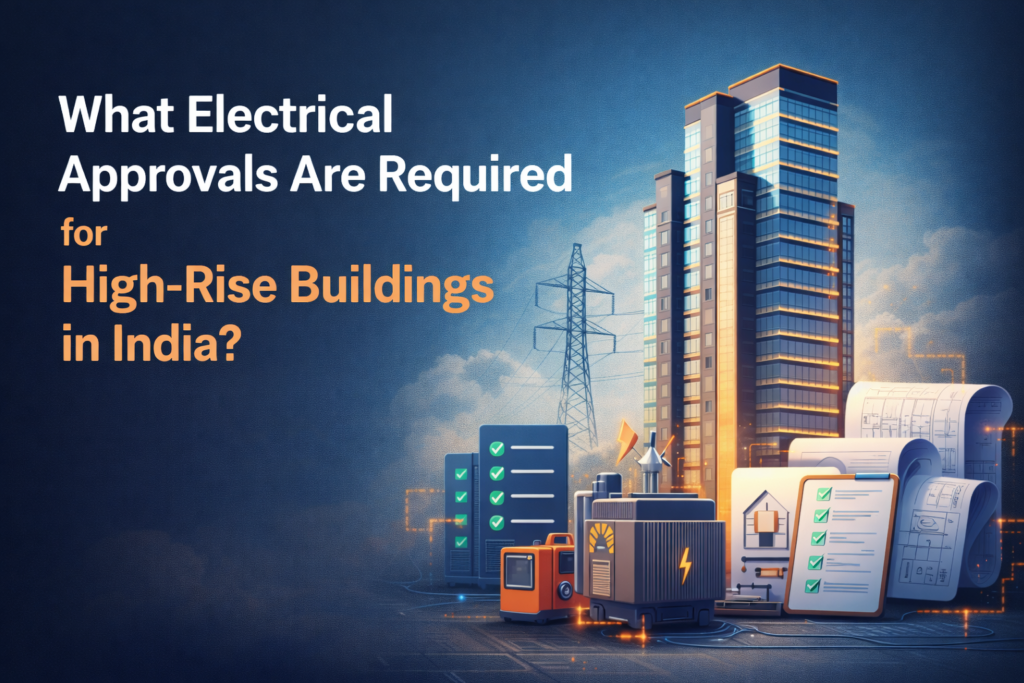
Electrical approval for high rise building India

Introduction Electrical approval is a critical requirement for high-rise buildings to ensure safety, reliability, and compliance with regulations. High-rise projects involve complex electrical systems, including HT connections, DG...
How Does DG Set Approval Work in India? Documents and Process

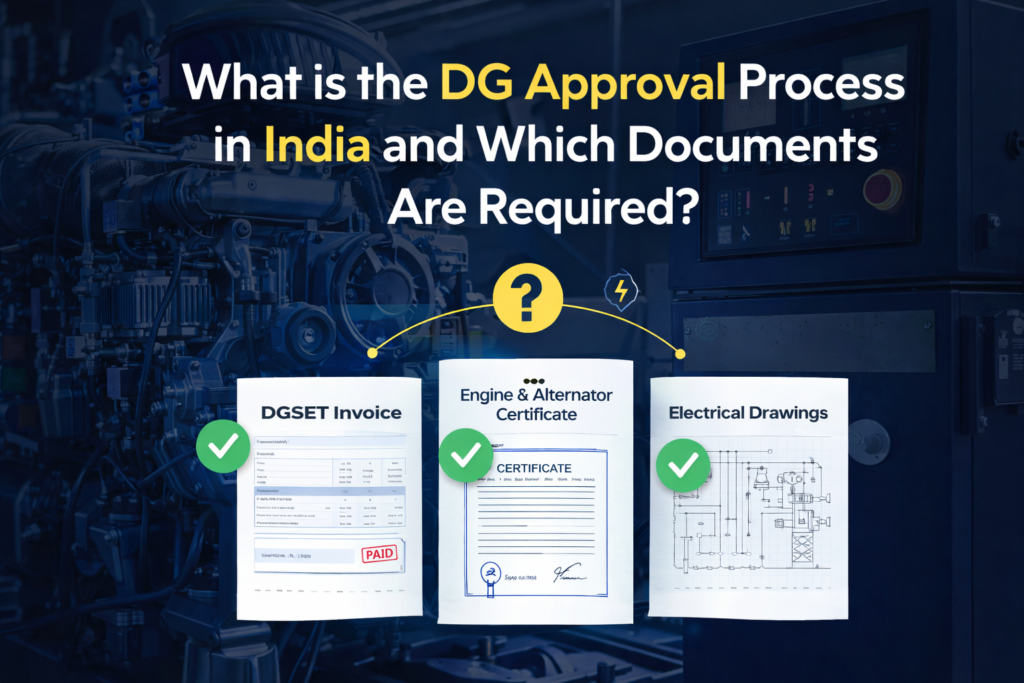
How Does DG Set Approval Work in India? Documents and Process

Introduction DG (Diesel Generator) approval is an essential requirement for industries and commercial setups that use generators for backup power. The approval process ensures that the DG system...
What is the Process of HT Connection Approval in India? Complete Step-by-Step Guide ⚑ Introduction HT (High Tension) connection approval is a critical requirement for industries and large-scale commercial projects that demand high electrical load. The process involves technical planning, regulatory approvals, and proper documentation. Any mistake in this process can lead to delays, rejection, or safety issues. In this guide, we explain the complete HT connection approval process in India, including required documents, steps, technical considerations, and common mistakes. πŸ”Œ What is an HT Connection? An HT (High Tension) connection is provided when the required electrical load exceeds the limits of standard LT (Low Tension) supply. It is typically used for: Manufacturing industries Factories and plants Large commercial buildings Infrastructure projects HT systems operate at higher voltage levels, which allows efficient transmission of large amounts of power. βš™οΈ When is HT Connection Required? HT connection is generally required when: Load demand is high (industrial scale) Multiple heavy machines are used Continuous power supply is essential Voltage drop needs to be minimized Proper assessment of load is essential before applying. πŸ“‹ Step-by-Step HT Connection Approval Process 1. Load Assessment and Planning The first step is to calculate the total electrical load requirement. This includes: Machinery load Lighting load HVAC systems Future expansion Accurate load calculation helps in selecting: Transformer capacity Breaker rating Cable sizing 2. Electrical System Design After load calculation, the electrical system is designed. This includes: Single Line Diagram (SLD) Equipment layout Cable routing Panel design Proper design ensures: Safety Efficiency Compliance 3. Application Submission An application is submitted to the electricity authority with: Load details Project information Site details This step officially initiates the approval process. 4. Document Submission The following documents are required for HT approval: Transformer Invoice Transformer Testing Certificate Breaker Invoice Breaker Testing Certificate Electrical Drawings (SLD + layout) These documents verify: Equipment authenticity Technical compliance Installation readiness 5. Installation of Electrical System The electrical infrastructure is installed as per approved design. This includes: Transformer installation Breaker setup Panel installation Cable laying Installation must follow safety standards and regulations. 6. Inspection by Authority The electricity authority conducts a site inspection. They check: Equipment quality Installation correctness Safety compliance Documentation Any mismatch can result in rejection or delay. 7. Approval and Energization After successful inspection: HT approval is granted Connection is released Power supply starts This completes the process. πŸ“„ Documents Required for HT Approval For quick reference: Transformer Invoice Transformer Testing Certificate Breaker Invoice Breaker Certificate Electrical Drawings Ensure all documents are: Accurate Verified Consistent ⚠️ Common Mistakes That Cause Delays Many projects face delays due to: Incorrect load calculation Missing or incomplete documents Improper electrical drawings Poor installation quality Non-compliance with standards Avoiding these mistakes can significantly speed up approval. 🧠 Technical Considerations HT systems require proper technical planning: Voltage level selection Transformer sizing Protection system design Earthing system Ignoring these factors can lead to: System failure Safety hazards Increased costs πŸ“Š HT vs LT Connection (Quick Comparison) Feature HT Connection LT Connection Load High Low Voltage High Low Usage Industrial Residential/Small Complexity High Low πŸš€ Benefits of Proper HT Planning Efficient power distribution Reduced energy losses Improved system reliability Long-term cost savings πŸ“ž Conclusion HT connection approval is a structured process that requires technical expertise and proper documentation. A well-planned approach ensures: Faster approval Safe installation Reliable performance For complex projects, professional guidance can help avoid delays and ensure smooth execution.

What is the process of HT connection approval?

Introduction HT (High Tension) connection approval is a critical requirement for industries and large-scale commercial projects that demand high electrical load. The process involves technical planning, regulatory approvals,...